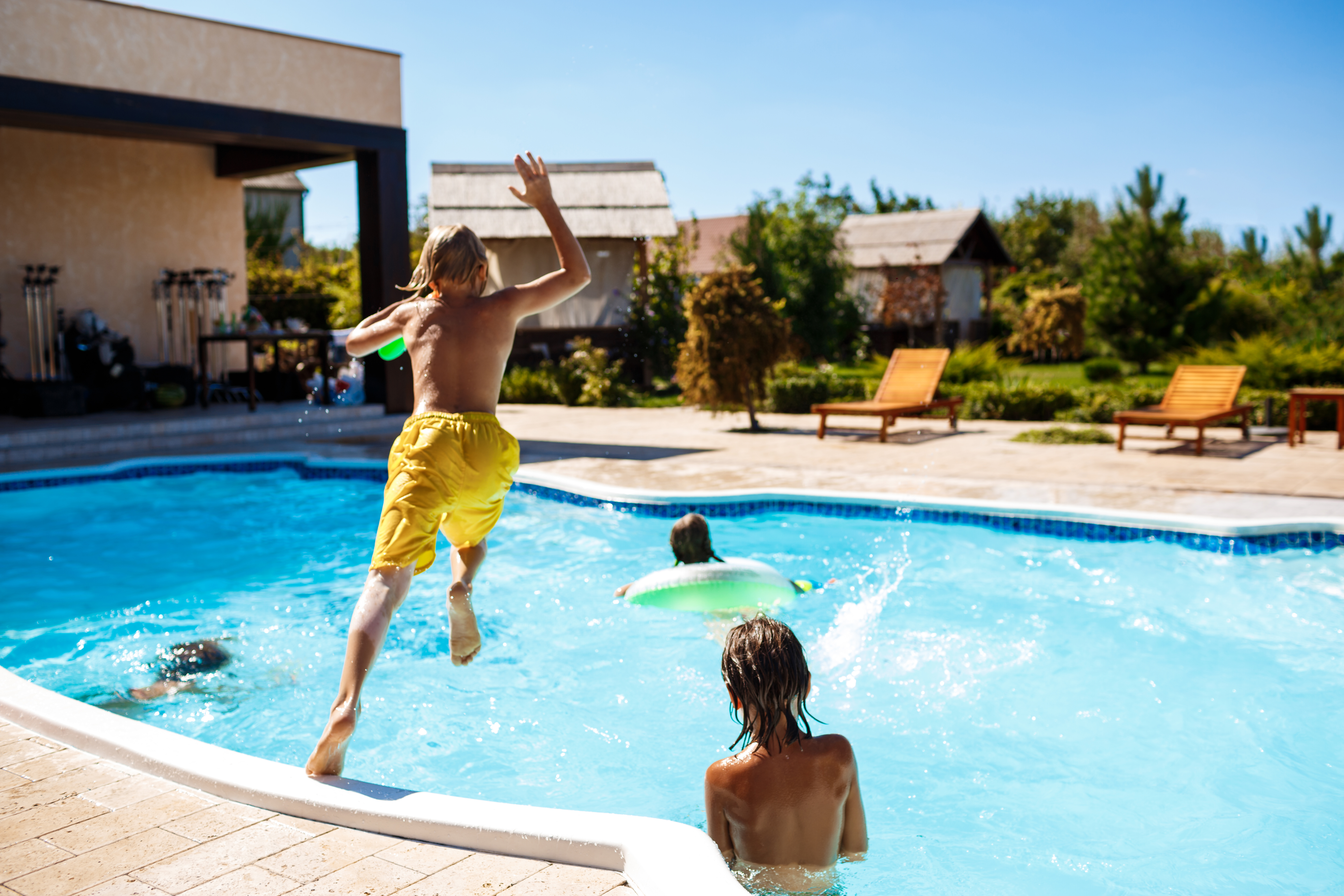
Summer brings outdoor fun, family gatherings, and plenty of time spent enjoying your yard. For many homeowners, it’s also the perfect moment to add features like pools, trampolines, or play equipment. While these upgrades can make your space more enjoyable, they also carry added responsibility. Understanding how these amenities affect your liability coverage can help protect your home and your peace of mind.
This guide breaks down how homeowners liability insurance works, what safety considerations matter most, and the steps you can take to lower risks and stay protected throughout the season.
What Liability Coverage in a Homeowners Policy Typically Includes
Most homeowners insurance policies include a personal liability component designed to help cover expenses if someone is hurt on your property and you are found legally responsible. This type of coverage can help with costs such as medical bills, attorney fees, or potential settlements.
The Insurance Information Institute notes that liability limits often start around $100,000, but many homeowners choose higher levels of protection. This is especially important for households with pools, trampolines, or other backyard structures that naturally increase the chance of accidents.
Even with coverage in place, insurers still expect responsible maintenance. If an injury stems from hazards that could have been prevented, it might affect the outcome of a claim. Keeping your property safe remains essential.
An Overview of the Attractive Nuisance Doctrine
Homeowners should also be aware of a legal concept known as an attractive nuisance. This refers to something on your property that could entice children while also presenting potential danger. In these situations, property owners are often held to a higher standard of care.
Common attractive nuisances include:
- Swimming pools
- Trampolines
- Treehouses
- Play structures or swing sets
Children may wander onto a property simply because these features capture their interest, even without permission. Because minors may not recognize risks, many insurance companies and local governments require extra safety measures. This can include fences around pools, gates that lock securely, or covers designed to prevent accidental entry.
These safety additions help reduce the likelihood of injuries and demonstrate that you’ve taken reasonable steps to prevent harm.
How Insurance Companies Handle Pools, Trampolines, and Play Equipment
Not all backyard features are viewed equally by insurers. Some amenities come with strict safety requirements, while others may be excluded unless certain conditions are met.
Pools are among the most regulated. Many insurance carriers require a fenced perimeter around the pool and a gate that latches automatically. Without these protections, liability claims may be denied even if coverage would otherwise apply.
Trampolines also vary widely in terms of how insurers treat them. Some carriers require safety nets, while others exclude trampoline liabilities altogether. Checking your policy for these details is essential.
Playground equipment presents similar risks, especially if not installed properly or maintained regularly. Following manufacturer instructions, securing structures firmly, and performing periodic checks can help reduce these risks.
Because each homeowners policy can differ, speaking with an insurance professional is one of the best ways to identify potential coverage gaps, confirm safety expectations, and ensure your liability limits make sense for your household.
Ways to Reduce Backyard Hazards
Minimizing accidents should always be a priority. Fortunately, there are several effective ways to create a safer environment for anyone using your outdoor space.
Start by adding required safety features. Fences, gates, trampolines with enclosures, and well-secured play areas can help reduce injuries significantly. Automatic-latching gates are particularly beneficial for limiting unsupervised access.
Regular equipment checks are equally important. Because outdoor items face weather and wear, bolts can loosen, materials may rust, and nets or supports can weaken. Inspecting these elements routinely helps catch problems before they escalate.
Posting clear rules, warnings, or depth indicators near pools and play zones can serve as helpful reminders for guests.
Supervision, especially when children are involved, remains one of the most reliable forms of injury prevention. Keeping watch over activity around trampolines, swing sets, and pools can stop issues before they occur.
Why Keeping Documentation Matters
One step many homeowners overlook is the importance of documenting safety measures. If a liability claim arises, showing that you consistently maintained and inspected your equipment can help support your position.
Helpful documentation may include:
- Photos of protective barriers, gates, or enclosures
- Notes or logs tracking maintenance activity
- Receipts for repairs or safety improvements
- Written records of regular inspections
Although these documents don’t eliminate liability, they can help provide evidence that you took reasonable precautions to keep your property safe.
A Quick Safety Review Before Summer Begins
Before diving into a busy season of outdoor activities, reviewing a simple safety checklist can make a big difference.
- Install any required fences, gates, or barriers around pools or other high-risk structures
- Confirm that gates close and latch automatically
- Inspect trampolines, playgrounds, and other equipment for wear or damage
- Fix or replace broken parts right away
- Maintain clear documentation of maintenance and safety features
- Review your homeowners insurance for exclusions or liability limits
Taking these proactive steps can help reduce the chances of injuries while also strengthening your financial protection.
Keeping Your Backyard Fun—and Protected
Features like pools, swing sets, and trampolines can bring tremendous enjoyment to your family and community. With proper precautions and the right insurance coverage, you can enjoy these amenities more confidently.
If you’re unsure whether your current homeowners policy fully covers backyard risks, connecting with an insurance expert can offer clarity. A policy review can help you understand where coverage gaps may exist and what safety measures are required under your plan.
If you’d like help reviewing your liability coverage or have questions about how your backyard features may affect your policy, reach out today. Taking a few minutes to review your options can help you head into summer with confidence and peace of mind.